

Safety Shoes for Lab Technician
Best Safety Shoes for Lab Technician
What Are Safety Shoes for Lab Technicians?

Safety shoes for lab technicians are specialized protective footwear engineered for laboratory environments.
Unlike standard lab shoes or disposable covers, certified lab safety footwear provides comprehensive protection against laboratory-specific hazards: chemical-resistant materials for acid and solvent exposure, slip resistance for reagent and buffer spills, puncture-proof barriers against broken glassware and sharp instruments, and antimicrobial construction for sterile laboratory conditions.
Designed for professionals who stand at benches running assays, operate sensitive analytical equipment, and handle hazardous biological and chemical materials, they combine stability for precision work, comfort for extended protocols, and lightweight construction for full-shift performance.
For clinical lab technicians, research scientists, and quality control specialists, they're essential laboratory safety equipment, protecting you while you generate critical data.
How Safety Shoes Work for Lab Technicians
Two Certified Options. One Honest Promise.
If your workplace accepts S1P footwear, see which XNEXZ suits your day — then tell us honestly how it feels.
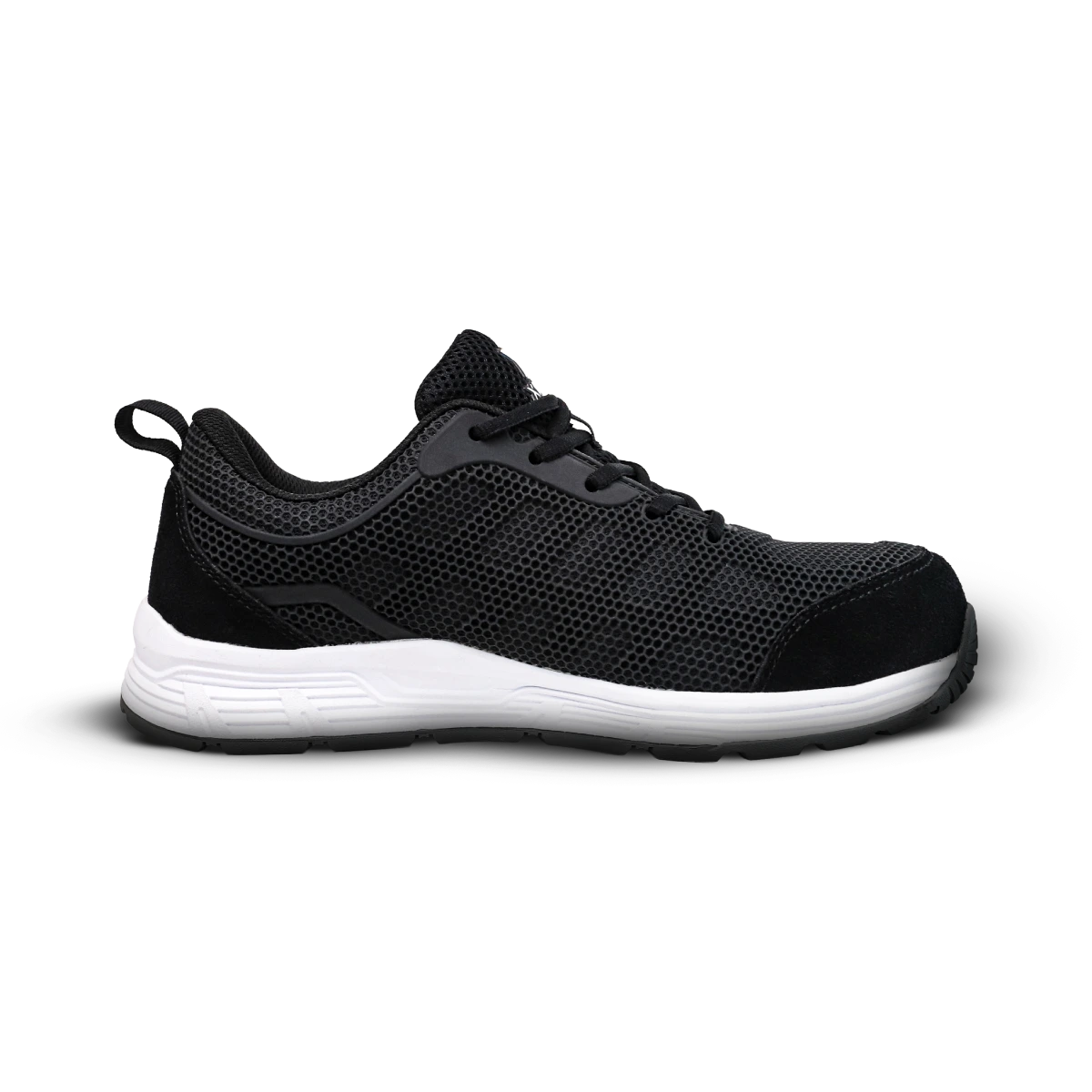 XNEXZ PulseX
XNEXZ™ PulseX
The cleaner, sportier option for fast-moving light-duty shifts.
- EN ISO 20345 S1P certified
- 200J aluminium toe cap
- Kevlar puncture-resistant midsole
- PU outsole for smooth, controlled indoor floors
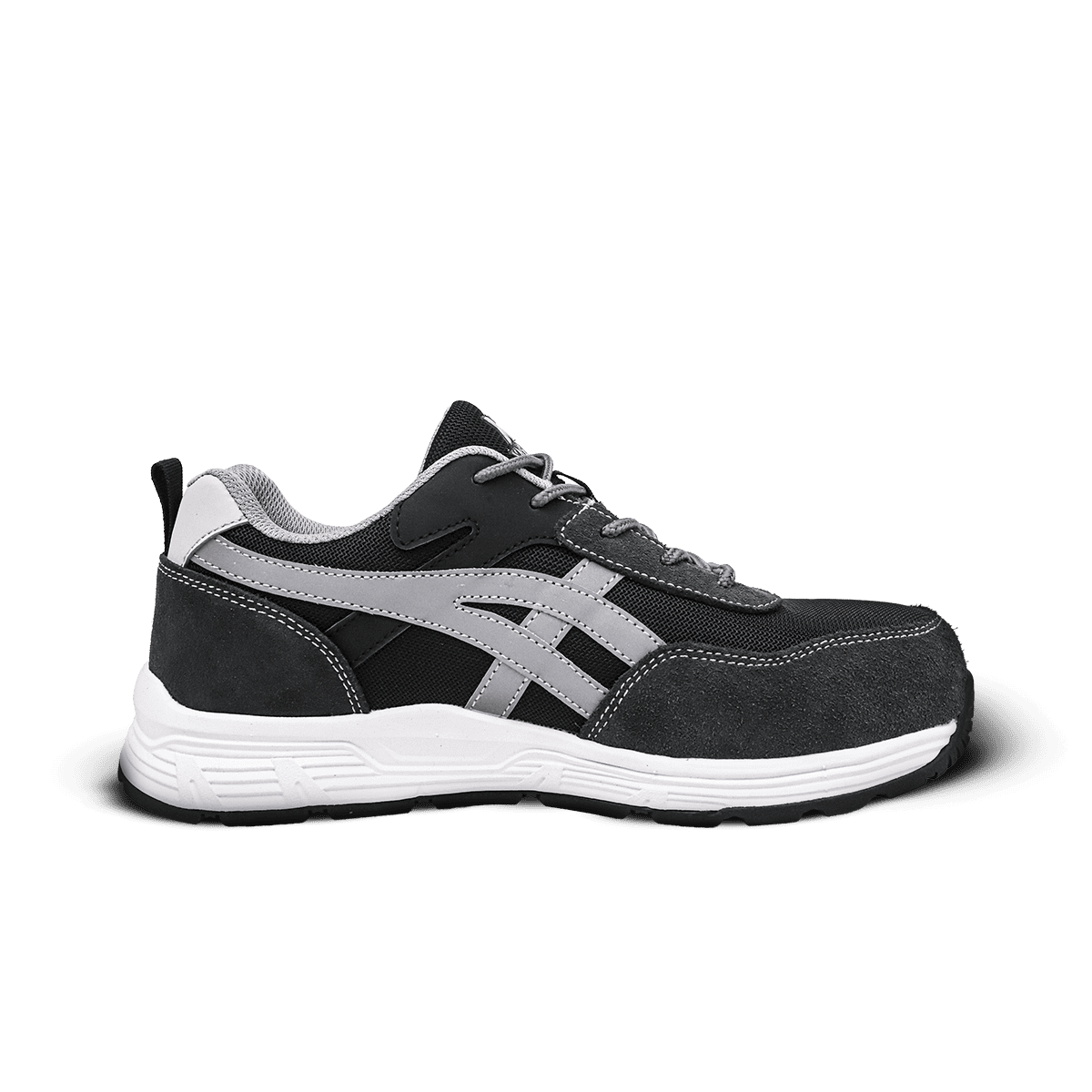 XNEXZ StrideX
XNEXZ™ StrideX
The streetwear-inspired option with a more rugged look.
- EN ISO 20345 S1P certified
- 200J aluminium toe cap
- Kevlar puncture-resistant midsole
- EVA-and-rubber outsole for varied controlled indoor surfaces
Suitable for light-duty, everyday work settings where S1P is accepted by your employer's PPE policy. Not intended for heavy construction, welding, or specialist high-risk sites — check your workplace risk assessment first.
How to Choose Safety Shoes for Lab Technicians
Why XNEXZ StrideX & PulseX Are Your Best Choice

Superior Slip Resistance
Acid spills during sample preparation. Buffer overflow from automated systems. Reagent bottles knocked over. Culture media contamination.
Laboratory floors become slip hazards instantly. XNEXZ StrideX and PulseX feature SRC-rated slip resistance tested specifically for laboratory conditions, wet tile floors contaminated with chemicals, biological materials, and cleaning solutions. StrideX's rubber compound handles aqueous solutions; PulseX's polyurethane resists organic solvents and oils.
Multi-directional treads maintain contact while channeling liquids away. Whether moving between workstations or responding to spills, your footing stays secure throughout every shift.

Puncture-Proof Protection
Dropped pipette tips. Shattered reagent bottles. Broken sample tubes. Fractured glassware. Laboratories contain puncture dangers everywhere.
Both XNEXZ models incorporate full-coverage Kevlar midsoles, military-grade barriers flexing naturally with foot movement. Unlike rigid protection, our Kevlar allows precise positioning during microscope work, equipment operation, and sample handling. This prevents penetrating injuries from broken glass and contaminated sharps while maintaining natural foot articulation.
From sample processing to equipment maintenance, you're protected by materials stopping what standard lab shoes can't, without restricting the precision movement laboratory work demands.

Lightweight Aluminum Protection
Steel-toed boots exhaust lab technicians who stand at benches for hours. XNEXZ StrideX and PulseX use aerospace-grade aluminum toe caps delivering full 200 Joule impact protection while weighing 40% less than steel.
For lab professionals standing during extended assays, operating analytical instruments, and processing samples throughout shifts, this weight reduction matters profoundly.
The aluminum guards against dropped equipment, kicked instrument stands, and falling supply boxes while feeling lightweight. You maintain precision during delicate procedures and sustained focus during repetitive protocols without heavy footwear destroying your concentration or stamina through consecutive laboratory days.


EN ISO 20345 S1P Certified
Both XNEXZ StrideX and PulseX meet EN ISO 20345 S1P certification, laboratory safety's mandatory standard.
This verified protection addresses lab technician realities: slip resistance for chemical spills, puncture protection against broken glass, impact resistance for equipment drops, antistatic properties for sensitive instruments.
Every pair undergoes testing simulating actual laboratory conditions. For laboratory managers, it confirms compliance. For you? Validated protection designed specifically for scientific professionals. Work hard. Walk proud.


StrideX vs PulseX Laboratory Performance
Select based on your laboratory environment. StrideX: EVA + rubber outsole provides maximum cushioning for extended bench work in clinical, diagnostic, and research laboratories.
Superior shock absorption for all-day standing. PulseX: Polyurethane outsole delivers exceptional chemical resistance for organic chemistry, analytical testing, and solvent-heavy environments. Enhanced durability for high-volume laboratories.
Both models: identical aluminum protection, Kevlar midsoles, antistatic safety, antimicrobial materials. Different performance profiles. Same laboratory-grade excellence.


Antistatic Equipment Protection
Modern laboratories rely on sensitive electronic equipment, analytical balances, chromatography systems, automated analyzers, computerized instruments. Static discharge damages equipment and compromises results. Both XNEXZ models feature certified antistatic properties preventing dangerous charge buildup while maintaining slip resistance and protection standards. Your footwear safely dissipates static electricity without compromising other performance. Mandatory for laboratories using electronic instrumentation, handling flammable solvents, or working in controlled environments requiring static control.


FAQ
Everything you need to know
-
Are these suitable for clinical diagnostic laboratories?
Yes, both StrideX and PulseX meet clinical lab requirements: chemical resistance, antimicrobial materials, slip resistance, easy decontamination. Check your facility's specific PPE protocols.
-
Which model is better for organic chemistry labs—StrideX or PulseX?
PulseX offers superior resistance to organic solvents and oils, making it ideal for organic chemistry and analytical testing labs. StrideX excels in clinical and biological laboratory environments.
-
Will these protect against chemical spills?
Yes. The chemical-resistant materials withstand exposure to common laboratory chemicals. The slip-resistant outsoles maintain traction on chemically contaminated floors throughout spills and cleanup.
-
How do I decontaminate these after biological material exposure?
Wipe with laboratory disinfectants: bleach solutions, alcohol wipes, enzymatic cleaners. The non-porous surfaces won't absorb biological materials. Follow your lab's decontamination protocols.


